
Have you ever listened to a scent?
Before a single thread of incense fills the air, it reaches somewhere deeper—quietly touching the inner layers of the heart. In Kōdō, scent is not something to be simply smelled. It is something to be received with full attention.
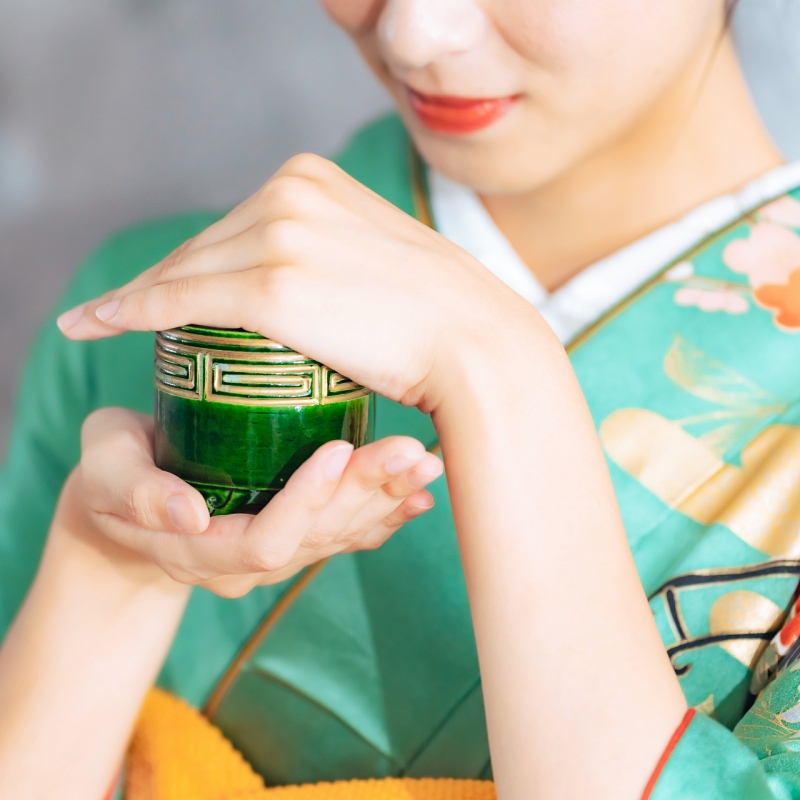
In Japanese culture, this practice is expressed through the phrase “to listen to scent.” The expression reflects a refined sensitivity toward what cannot be seen: sensing subtle traces as one might listen to distant music. Through incense, one enters a silent dialogue— not only with fragrant woods, but with one’s own inner state.
Kōdō is more than an appreciation of aroma. It is a discipline that purifies space, refines awareness, and gently leads the mind away from distraction. Its gestures are simple and restrained, revealing a beauty that unfolds quietly, without excess.
Through this invisible art of scent, we may begin to glimpse the spiritual depth and aesthetic values that Japanese culture has cultivated over centuries.
What Is Kōdō? — The Meaning of “Listening” to Incense
To listen with the heart, as one listens with the ear.
The phrase “listening to incense” expresses a uniquely Japanese sensibility. It goes beyond the act of smelling, inviting us to turn our attention toward what lies beneath the surface— the presence, atmosphere, and story carried within the scent.
In Kōdō, this practice is called Monkō. One closes the eyes, sets aside words, and entrusts the senses to the quiet presence of fragrance. In that stillness, a dialogue emerges— not spoken, yet deeply felt.
Kōdō honors the act of being fully present. As the scent subtly shifts moment by moment, practitioners refine their sensitivity, much like listening to the faint whisper of nature. It is at once a sensory experience and a gentle ritual for restoring inner balance.
By listening to scent, we become aware of our own perception— encountering memories and emotions that cannot be put into words. Through the invisible doorway of fragrance, we are given a quiet opportunity to meet ourselves again.
And in that attentive silence, the life of the incense wood begins to speak.
Listening to the Life of Incense Woods — Agarwood and Kyara
Incense wood does not speak. It simply whispers life.
The woods used in Kōdō are not merely aromatic materials. They are living records of time— natural crystallizations shaped over decades, even centuries.
Among them, agarwood (jinkō) is especially revered, and within agarwood, the finest grade is known as kyara. These woods form when trees in Southeast Asian forests are wounded and gradually produce resin over long periods. Fragrance is born through injury, patience, and time.
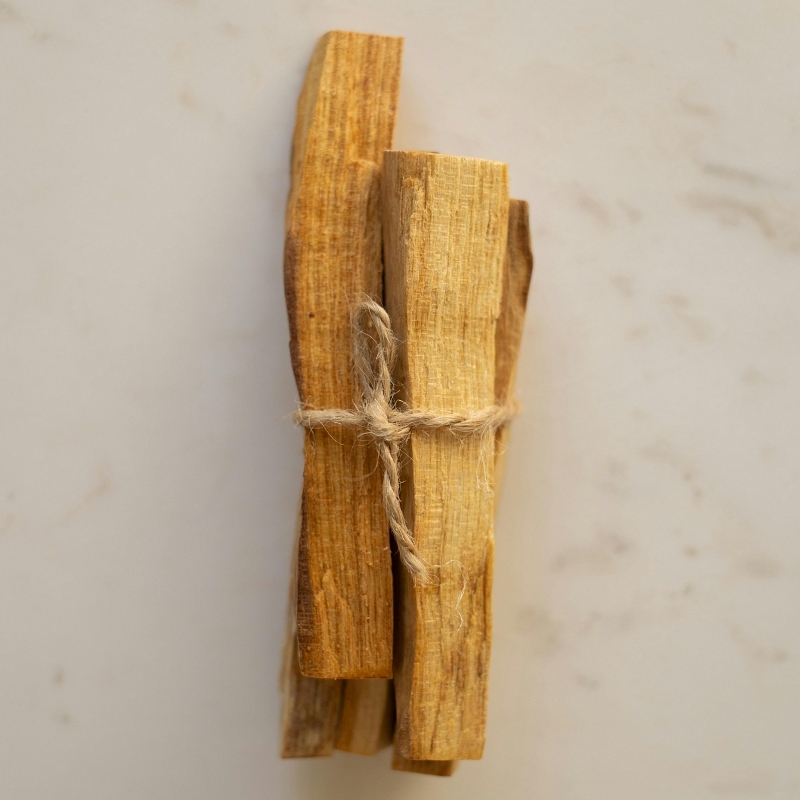
When heat is applied, the scent rises quietly and dissolves into the air, reaching the inner self rather than overwhelming the senses. Agarwood carries a deep, grounding aroma, reminiscent of ancient forests and accumulated memory. Kyara is subtler still—soft, sweet, and capable of gently vibrating the most sensitive emotional strings.
Though incense wood has no language, the space of Kōdō is filled with a palpable sense of life. Listening to scent becomes a quiet ceremony where nature and the human spirit meet.
Each piece of incense wood may be given a poetic name. Some evoke flowers, others autumn nights or distant landscapes. Treated with respect, they are approached almost as individual presences— welcomed with care and attentiveness.
In Kōdō, incense is not something to be burned, but something to be listened to. Within it dwell nature’s wisdom, time etched in silence, and stories that speak without words.
The History and Cultural Elegance of Kōdō — From Heian Court to Modern Day
Scent is a wind that carries time, quietly connecting people and culture.
Incense culture reached Japan during the Asuka period, arriving alongside Buddhism. At first, fragrant woods were used in temples to purify sacred spaces.
During the Heian period (794–1185), incense moved beyond religious use and became an elegant art among court nobility. As depicted in The Tale of Genji, aristocrats blended their own incense, wearing fragrance as a subtle expression of identity— a kind of invisible garment.
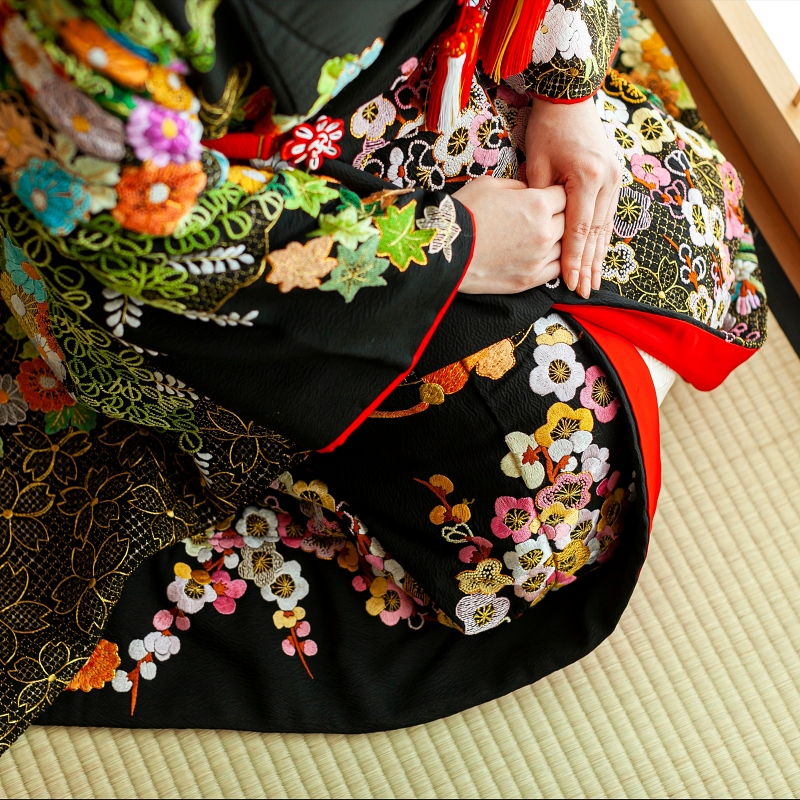
Lingering scent revealed who had passed through a space, inspiring refined games of recognition. Fragrance became a language without words, a way of communicating presence and emotion through absence.
From the Kamakura to Muromachi periods, Kōdō spread among the warrior class. By the time of Ashikaga Yoshimasa, it stood alongside Noh theater and the tea ceremony as one of the three refined arts of Higashiyama culture. Formal structures and deep spiritual aesthetics emerged.
In the Edo period, multiple schools of Kōdō developed, and incense appreciation spread widely. Games known as Kumikō challenged participants to distinguish and interpret scents, sharpening both sensitivity and imagination.
Today, Kōdō continues quietly as a living tradition. Though it may appear formal or distant, at its heart lies a universal joy: calming the mind and savoring beauty through scent.
The love for invisible beauty that Kōdō embodies remains deeply alive— a reflection of Japanese aesthetics that find richness within everyday stillness.
Refining the Senses — Gesture, Space, and Presence in Kōdō
Only in stillness do the five senses quietly come into bloom.
Kōdō is not an art devoted to fragrance alone. From the moment one prepares to “listen” to scent, every gesture, pause, and quality of space is carefully woven together, forming Kōdō as a complete and living art.
Upon entering the space, what first touches the heart is the serene and deliberate atmosphere itself. Hanging scrolls chosen for the season, flowers arranged with restraint, incense burners and tools placed with intention— each element carries meaning. Within this simplicity, free of excess yet lacking nothing, the essence of Japanese aesthetics quietly resides.
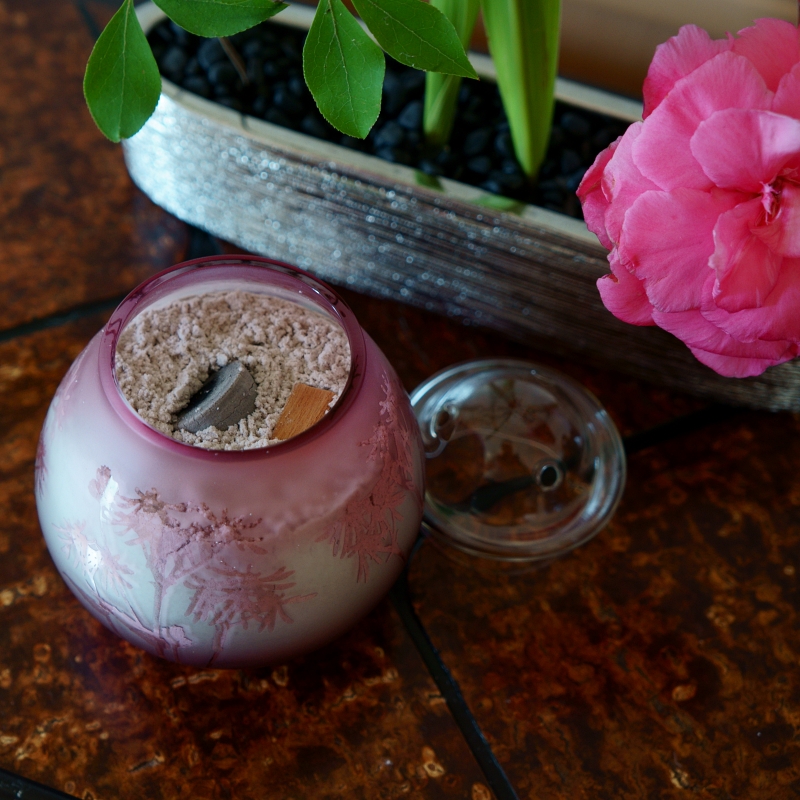
The moment fire is placed beneath the incense,
the gesture of passing the burner,
the way one sits,
the shared breath of silence—
all of these actions gently strip away what is unnecessary,
allowing the mind to settle.
As in tea ceremony or Noh theatre,
it is precisely because there is form
that sensitivity is given room to move freely within it.
Before listening to scent, one first listens to oneself. Through gesture, space is prepared, and gradually the senses begin to open. Kōdō is not only about fragrance, but also about sensing the atmosphere, the presence of others, and the invisible currents that flow through the space— and quietly entrusting oneself to them.
Subtle playfulness is also woven into Kōdō: poetic allusions, seasonal references, gentle acts of mitate—seeing one thing as another. A butterfly resting on the foot of an incense burner, autumn grasses drawn upon an incense tool— moments where an aesthetic that “speaks without words” softly reveals itself.
These details do not seek attention. Yet when the listener’s sensitivity meets them, the atmosphere of the space becomes one, and a quiet joy fills the heart.
By refining the senses, calming the mind, and tasting beauty in silence, we gently come into contact with an invisible world beyond words.
Where Scent Meets the Heart — Kōdō and Spiritual Sensibility
Scent arrives like a quiet prayer from an unseen world.
Kōdō is not an art devoted merely to the enjoyment of fragrance as a physical sensation. Within it unfolds a subtle spiritual dimension— a space where the human heart gently meets what cannot be seen.
To “listen” to scent is to turn awareness inward, entering a time akin to meditation, where words and habitual thought gradually fall away.
In silence, when the fragrance of incense wood softly rises,
it can feel like a gentle message reaching the deepest layers of the soul.
Scent holds a mysterious ability to touch memory and emotion beyond time and space. The presence of someone once known, a scene from early childhood, or feelings not yet formed into language may suddenly return, carried by fragrance.
In Kōdō, such experiences are not treated as mere personal recollections, but as part of a broader flow of ki— an energetic harmony connecting nature, the cosmos, and the human being. Through scent, breath is gently aligned, and through deliberate gestures, one begins to notice the quiet beauty and stillness within.
The natural power of incense wood itself is also essential. Jinkō and Kyara are born from trees that continue to live despite injury, slowly forming fragrant resin over many years. To listen to their scent is to witness a meeting point between the wisdom of nature and the prayers of humanity— a sacred and deeply beautiful ritual.
That Kōdō has been quietly preserved into the modern era is no coincidence. Its spirituality—listening to what cannot be seen— continues to soothe and refine the human soul even today.
Simply by being present, scent awakens awareness and clears the heart. Kōdō is thus a graceful inner pilgrimage, a path that leads one gently toward the soul through fragrance.
And that path, quietly, remains open within everyday life.
Living the Wisdom of Kōdō in Everyday Life
A single drop of scent, placed gently into the open space of daily life.
The world of Kōdō is not confined to distant traditions or formal settings. The spirit it carries can quietly breathe within our everyday lives, here and now.
Imagine a morning moment. Lighting a small piece of agarwood in a simple incense burner, and allowing the rising scent to hold you in stillness. As fragrance fills the space, the waves of the mind begin to soften, and the breath naturally deepens.
This may be called a “ritual of scent”— a way to begin the day with clarity and presence. Because fragrance is invisible, the senses are gently released, stepping away from hurried thought and opening a quiet inner margin of time.
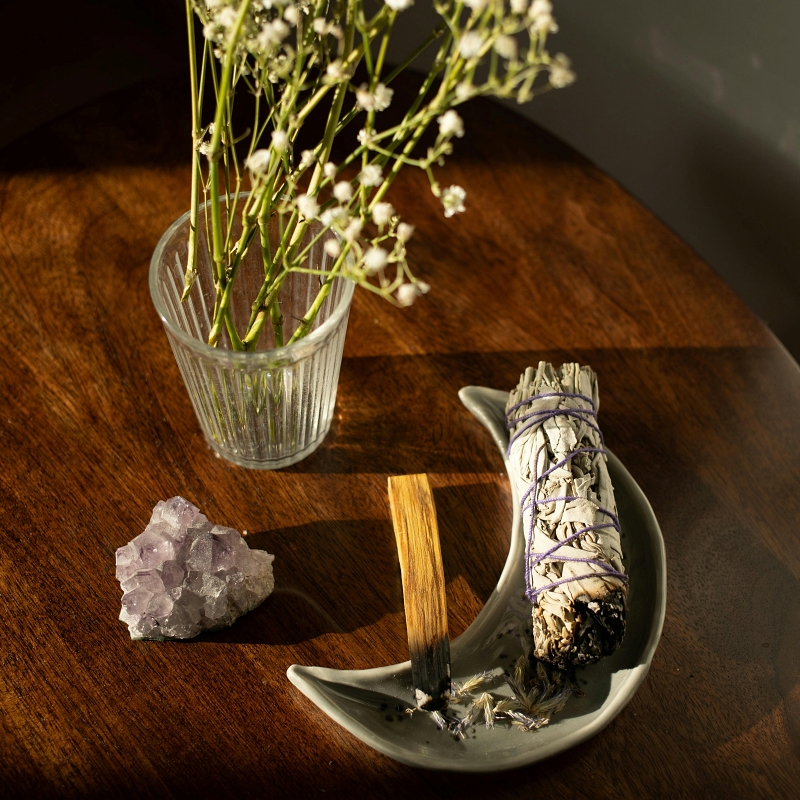
No special tools or complex knowledge are required. A single fragment of incense wood, or a familiar aroma of herbs or essential oils, lit with care and listened to attentively, can transform ordinary moments into something quietly ceremonial.
Tending to the surrounding space is also part of Kōdō’s wisdom. Just as one might place a single flower in a room, arranging a seasonal detail or a small incense holder allows fragrance to invite stillness and spaciousness naturally into daily living.
What Kōdō ultimately teaches is a way of living alongside scent.
To meet one’s own heart with care,
to discover beauty within what cannot be seen,
and to live each moment as something to be gently savored.
To listen to scent in an unremarkable moment— and suddenly find oneself returning to a quiet inner place.
The wisdom of Kōdō lives within everyday life itself. When we realize this, we may encounter a deeper meaning of richness. “Listening to scent”— such a small practice can quietly, yet profoundly, transform the texture of our days.
May a gentle space of fragrance softly open within your own daily life.
Glossary
- Jinkō (Agarwood)
- A rare aromatic wood formed over many years as resin gradually permeates the heartwood. It produces a deep, calm, and grounding fragrance, highly valued in Kōdō.
- Kyara
- The most precious and refined grade of agarwood. Kyara is known for its delicate sweetness, profound depth, and extraordinary complexity of scent.
- Kumikō
- A traditional Kōdō practice in which participants listen to multiple incense samples and identify subtle differences and characteristics. It is both a refined game and a discipline for cultivating sensitivity and perception.
- Monkō
- A unique Kōdō expression meaning “to listen to incense.” Rather than simply smelling, one quiets the mind and focuses fully on receiving the scent, treating fragrance as something to be heard with the whole being.
(Supervised by Salon de Alpha — Natural Wellness Advisor)